Years ago, when someone from abroad messaged me to book lessons, I assumed they were coming for the beach or the weather. Over time I understood they come for something far simpler: the numbers work out. And when you say the numbers out loud, the reaction is always the same: "Seriously?".
Let me run the maths with you, no frills.
1. The maths almost nobody does
In the UK, and especially in London, padel has grown so fast that courts have become a scarce asset. That shows up in prices that look alien from here: between £20 and £100 per hour depending on the club, with an average of about £46. Central clubs at peak times go well above that.
Now think about what those £46 buy you: a court and a net. Nothing else. Nobody correcting you, no video, no plan. You are paying for the right to miss the same shot forty times.
2. What training here costs
A session with me starts at 45 € and includes the court. Read that again: for less than an hour of court hire in London, here you get court and coach for a full hour.
And if you stay for a week, it gets almost silly: 5 sessions from 225 €. That is what three or four games back home would cost you, with nobody teaching you anything.
All the details of how the week works are on the padel intensive programme in Valencia page, if you want to go straight to the practical part.
3. What you get beyond the price
You are not just paying for court minutes. You are paying for someone to watch your shot, tell you why it fails and give you the correction. In an intensive week that means:
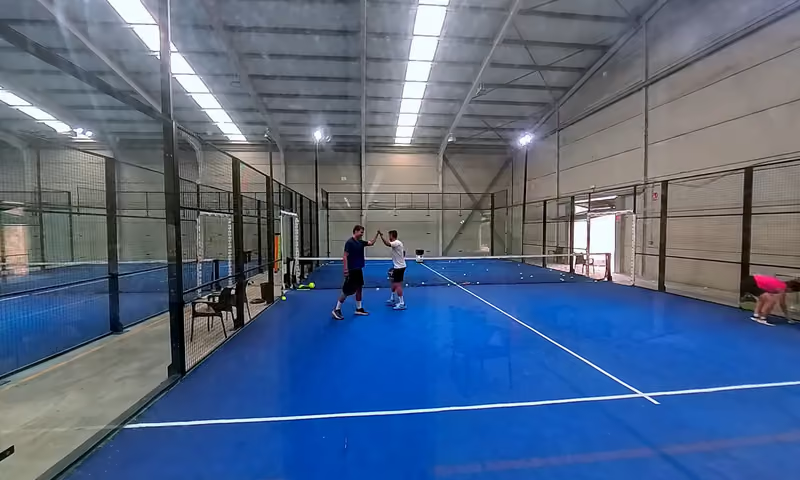
- A 100% indoor court, so no rain, no wind, no extreme heat. You train the same in January as in July.
- Video analysis: I film you and you see what your body actually does, not what you think it does.
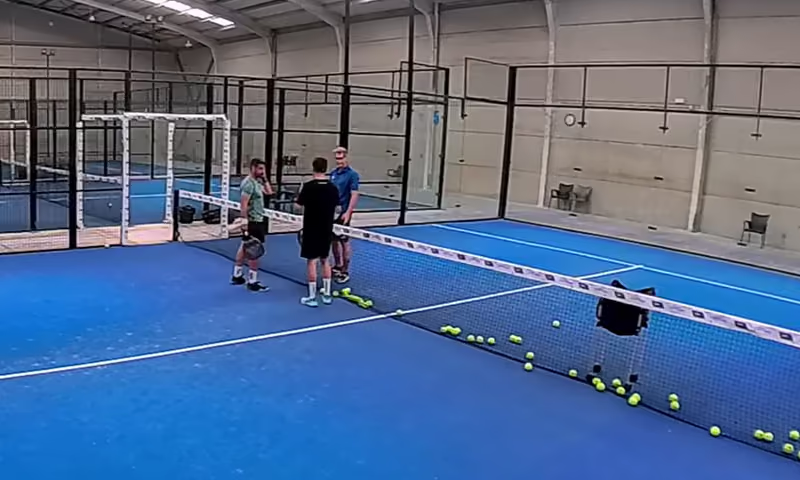
- A ball machine to repeat the movement until it comes naturally, without depending on a partner feeding it well.
- A plan when you leave: what to fix, in what order and with which drills. You go home with homework, not just a nice lesson.
4. Valencia is not just any place to play padel
There is another reason that does not show up in the maths: here padel is part of the culture. It is played everywhere, the level is high, there are clubs and there are open matches almost any day. For someone coming from a country where padel is a new sport, training for a week here is like going to learn cooking in San Sebastián: it is not just the course, it is the environment.
And the weather helps: in winter you train in the sun, and in summer players coming from Dubai, Qatar or the Emirates cannot believe they can play without roasting.
5. How I organise the week
This is the part visitors appreciate most, because it is where people get lost: it is not only about training, it is about sleeping close by, arriving without a car and not losing half a day in transfers.
Accommodation: I tell you which areas suit you depending on your budget and whether you are driving. No commission, no hotel to sell you.
Transport: the club is in Paterna and you reach it by metro from Valencia city centre in 20-25 minutes, with free parking if you prefer to drive.
Things to do: I suggest what to see and where to eat. And if you come in March, you can line the trip up with Las Fallas: plenty of people come to see them and combine it with training or a tournament.
Booking: weeks are held with a minimum deposit of 50 € (Bizum or Revolut, up to 50% depending on dates). That makes those days yours and they do not go to anyone else.
6. What if I don't speak Spanish?
The whole programme can be done in English. I am not an English teacher: I am a coach who delivers the session in English, and I do it several times a week with international students. With functional English, the lesson works perfectly.
If you want prices for single or group lessons during the rest of the year, they are on the padel lessons in Valencia page and in the real price comparison.